Address
5F, 526 Nonhyeon-ro,
Gangnam-gu, Seoul, Korea
Address
5F, 526 Nonhyeon-ro,
Gangnam-gu, Seoul, Korea

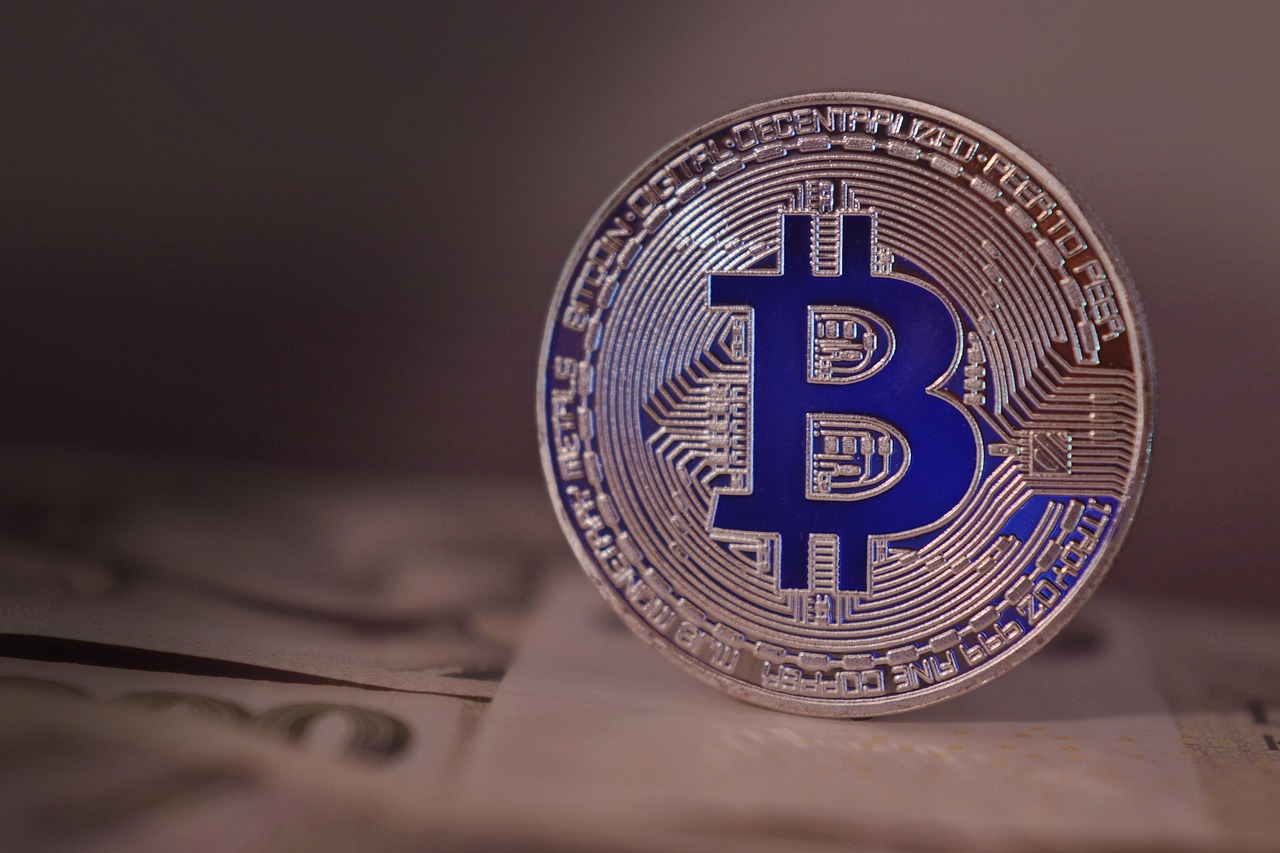
Stablecoins are a type of cryptocurrency designed to maintain a stable value by pegging to fiat currencies like the U.S. dollar or Korean won, or to real-world assets such as gold or government bonds. There are three main types: fiat-collateralized (e.g., USDT, USDC), crypto-collateralized, and algorithmic non-collateralized models. While countries like the U.S., Singapore, Hong Kong, and the UAE are actively exploring stablecoin usage through regulatory sandboxes and pilot programs, Korea’s central bank has been cautious. The Bank of Korea sees privately issued KRW-based stablecoins as potential threats to monetary sovereignty and financial stability. However, the Korean government is increasingly open to the idea, proposing legislation to allow fintech firms to issue KRW stablecoins with lower capital requirements.
Stablecoins are already playing an active role in real-world financial services such as cross-border remittances, payments, and decentralized finance (DeFi). They offer faster, lower-cost alternatives to traditional banking systems, especially for international money transfers. In countries like Brazil and Argentina, they are used for micropayments via QR codes. The distinction between stablecoins, central bank digital currencies (CBDCs), and general cryptocurrencies lies in legal status and issuance authority—CBDCs are state-issued, while stablecoins are private. Concerns persist about the systemic risks of stablecoins, such as undermining central bank policy, influencing government bond markets, or triggering financial instability during crises like the Terra-LUNA collapse.
Globally, stablecoins are becoming a new arena for currency competition, especially between the U.S. and China. The U.S. sees dollar-based stablecoins as a tool to reinforce the dollar’s dominance in the digital age, while China is promoting the digital yuan to challenge the existing financial order. Stablecoins are also being used to bypass international sanctions, as seen in countries like Russia and Iran. If Korea falls behind in stablecoin development, it risks losing competitiveness in digital finance, weakening its fintech sector, and becoming overly dependent on foreign platforms. To remain relevant, Korea must create an environment that enables safe and strategic stablecoin innovation.
Read more : U.S.-China Tech Race Narrows: AI and Crypto Dominate New Battleground

[…] Read more : Stablecoins: Global Trends, Regulatory Challenges, and Korea’s Strategic Dilemma […]