Address
5F, 526 Nonhyeon-ro,
Gangnam-gu, Seoul, Korea
Address
5F, 526 Nonhyeon-ro,
Gangnam-gu, Seoul, Korea
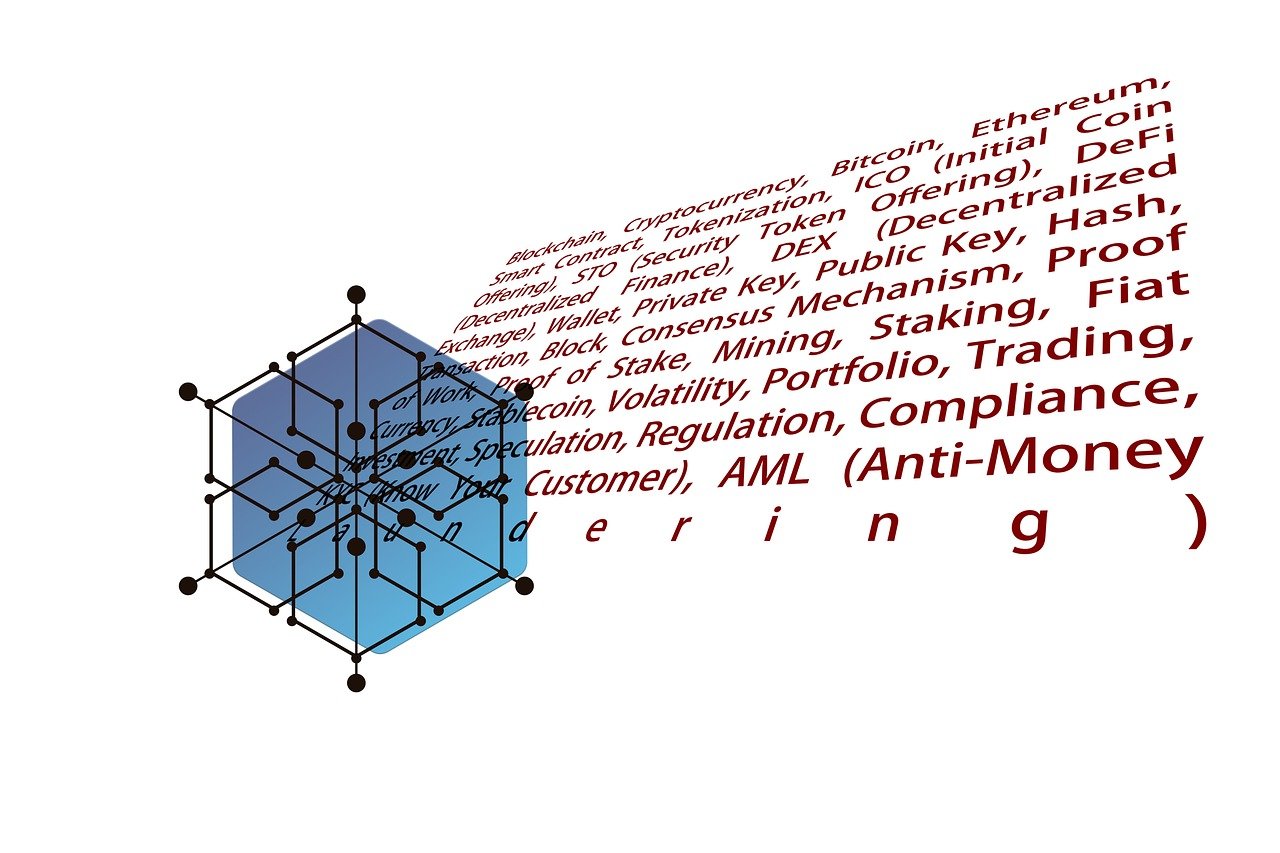
South Korea’s fast-growing KRW stablecoin ecosystem is now confronting a critical legal and security challenge: the absence of a comprehensive regulatory framework governing issuance, burning, reserve management, and operational oversight. As stablecoin trading on Korean exchanges reaches record-high volumes, experts warn that structural vulnerabilities could expose markets and users to risks such as unauthorized minting, improper burning, and inadequate reserve safeguarding.
Despite Korea being one of the most active stablecoin markets in Asia, recent analysis shows that policymakers have yet to articulate a full-lifecycle regulatory model. Discussions have focused primarily on issuer eligibility and potential approval systems, while essential safeguards—reserve audits, on-chain proof-of-assets, redemption guarantees, and clear supervisory accountability—remain undefined. This regulatory gap has raised concerns that privately issued KRW stablecoins could introduce systemic risks without strong oversight.
Meanwhile, global jurisdictions including the EU, Hong Kong, Singapore, and the United States are moving ahead with robust licensing and operational requirements for stablecoin issuers. Korea’s slower development of comparable standards may allow regulatory arbitrage and weaken market integrity. As stablecoins become increasingly integrated into payments, cross-border remittances, and DeFi infrastructure, regulators face mounting pressure to establish a transparent and enforceable framework that ensures trust, stability, and user protection.
Read more: Korean Regulators Move Toward Allowing Non-Bank Stablecoin Issuers